Identity
DISCIPLINE SHAPED OVER TIME
CORE
At NCA Refit, identity is rooted in production knowledge.
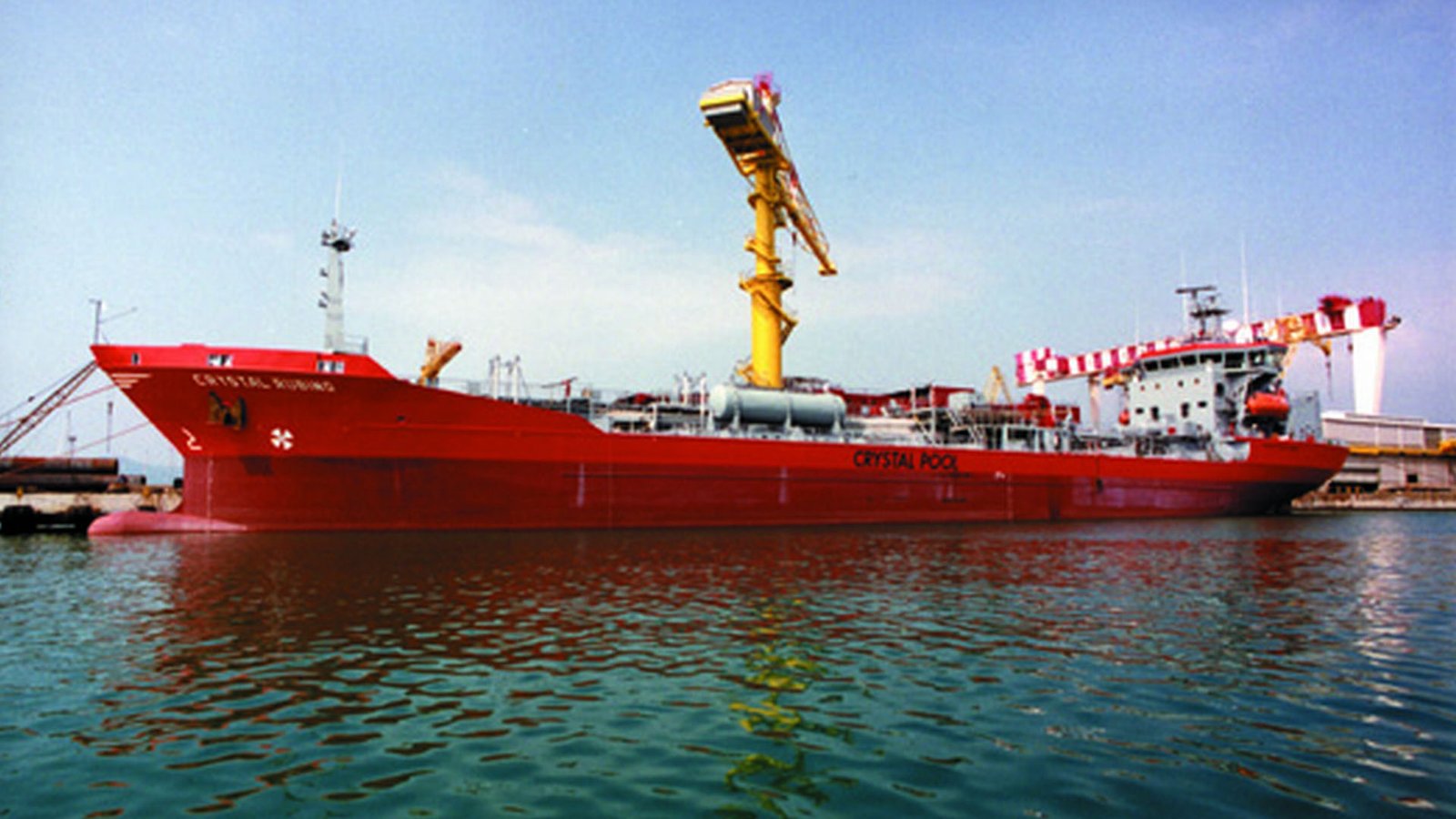
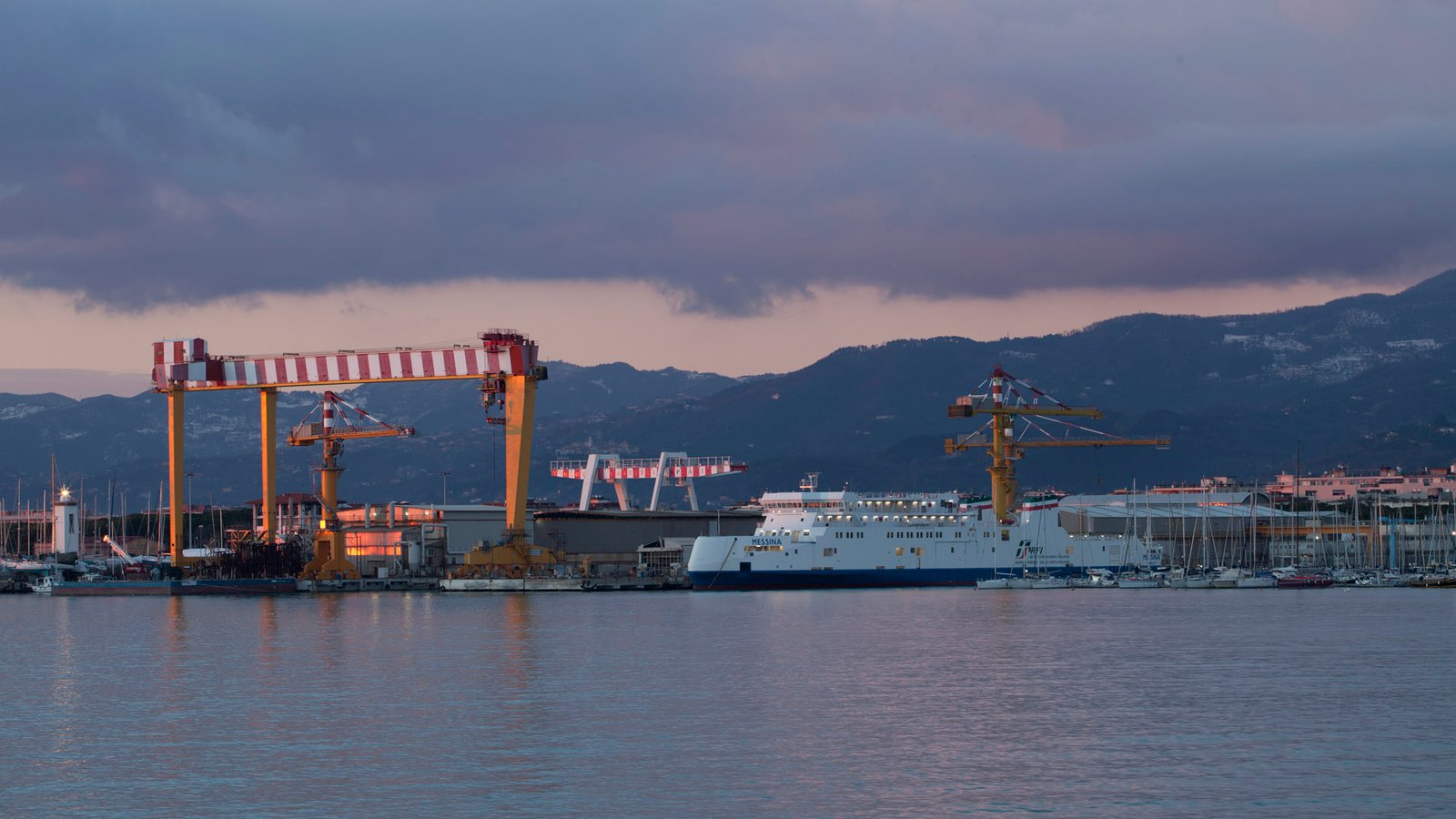
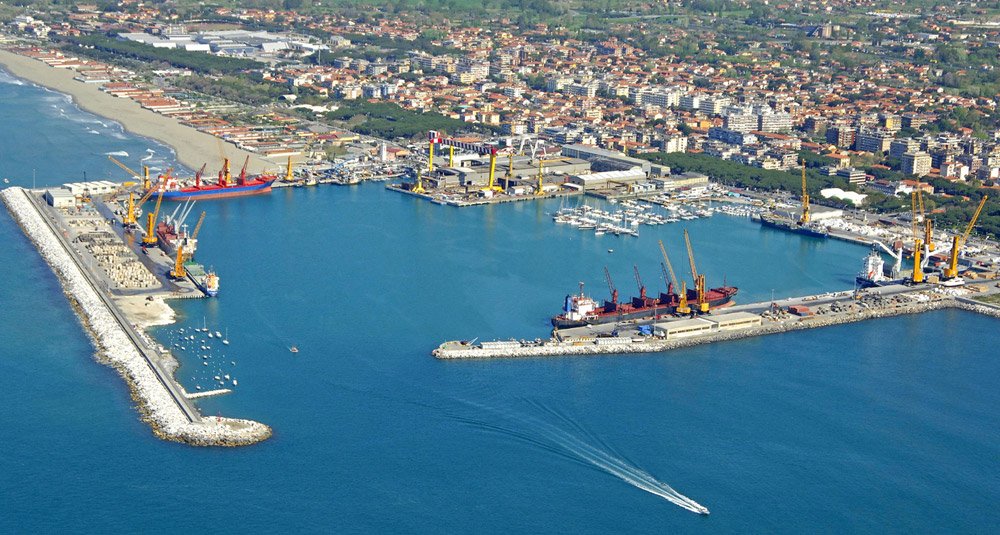
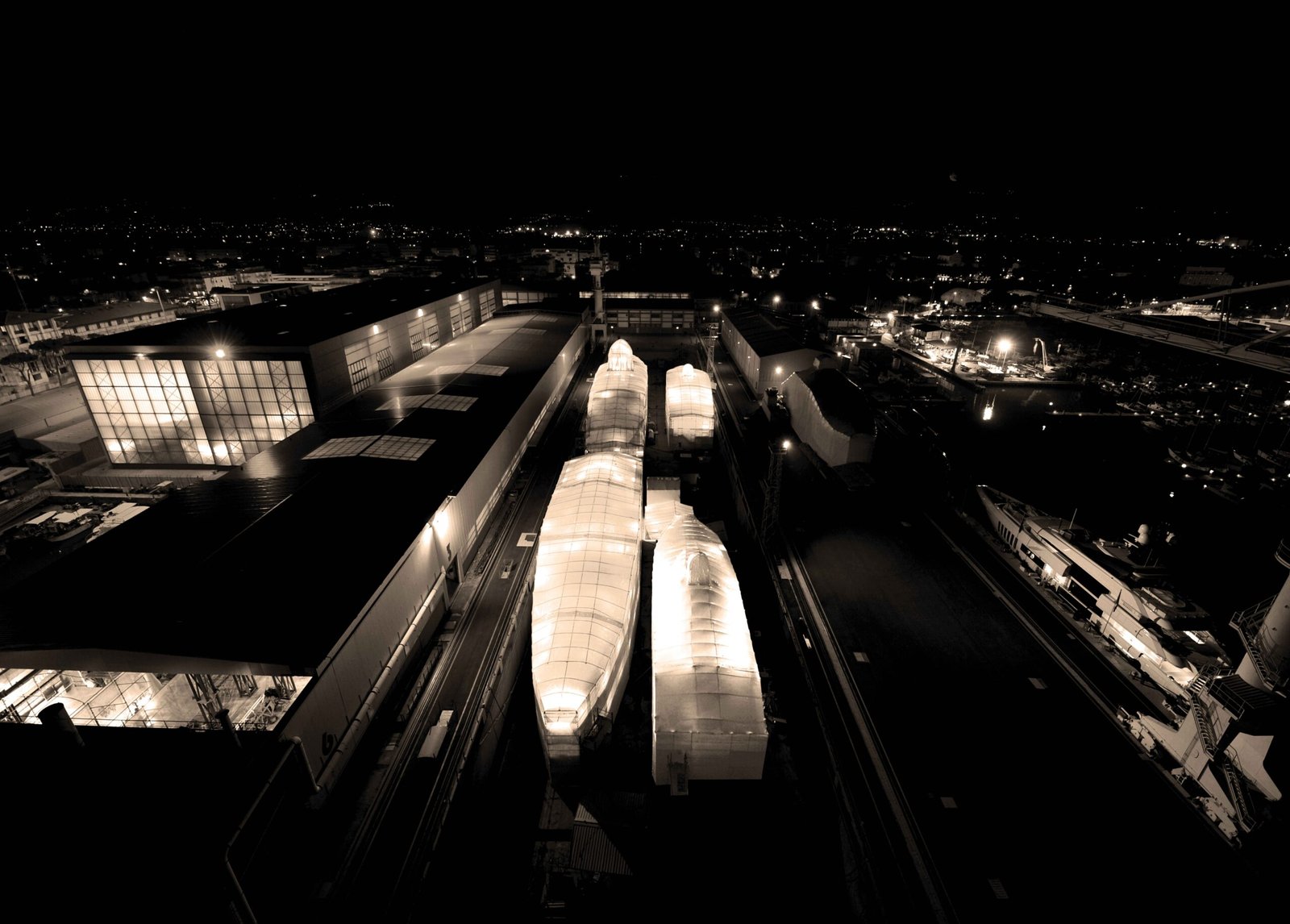
The shipyard operates within an industrial ecosystem where design, engineering and fabrication are not abstract functions, but physical processes carried out every day. This direct involvement in how components are conceived, built and finished defines the way refit is approached: with the mindset of a builder, not of an intermediary.
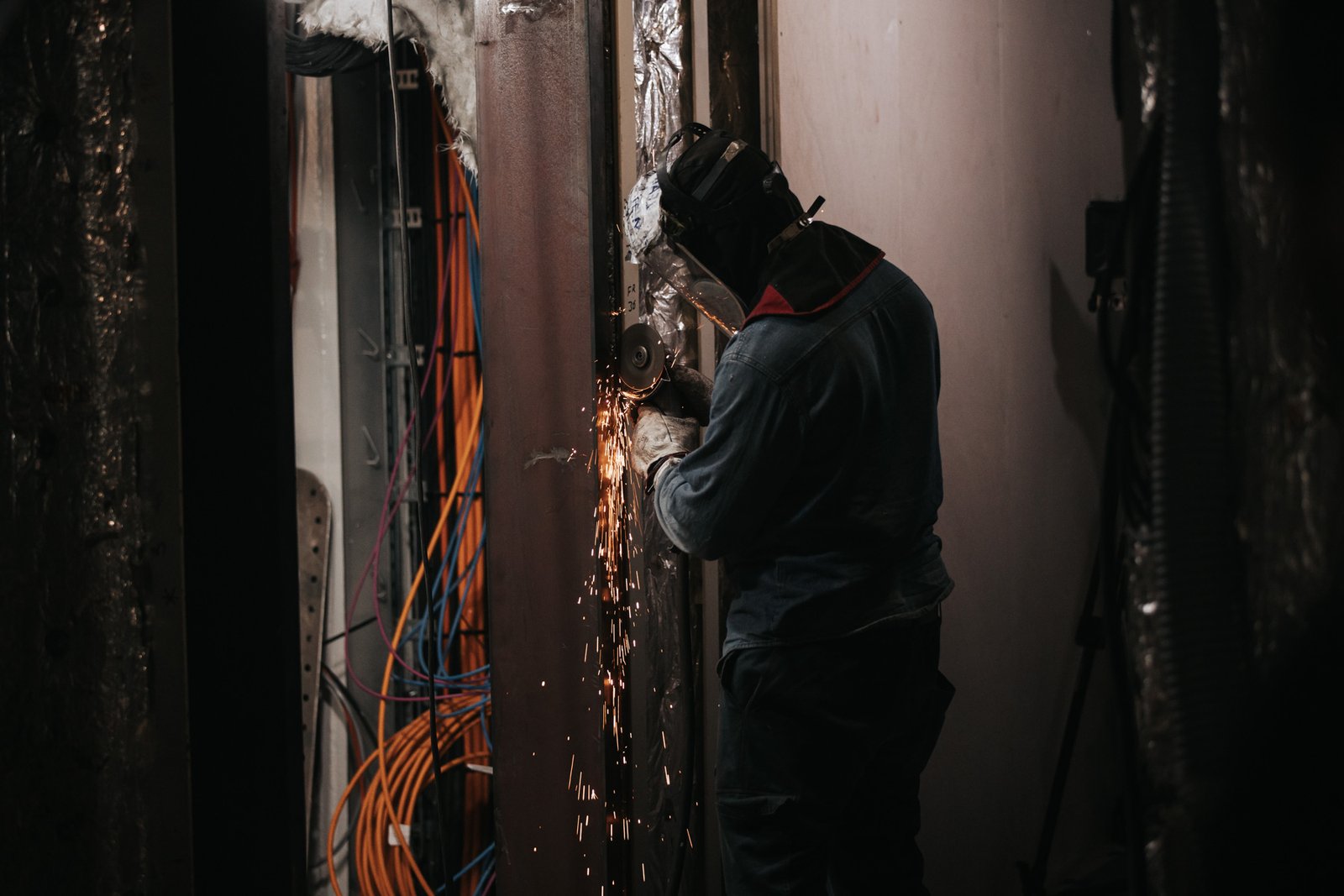
The Group’s structure allows critical phases of the refit cycle to remain under direct control.
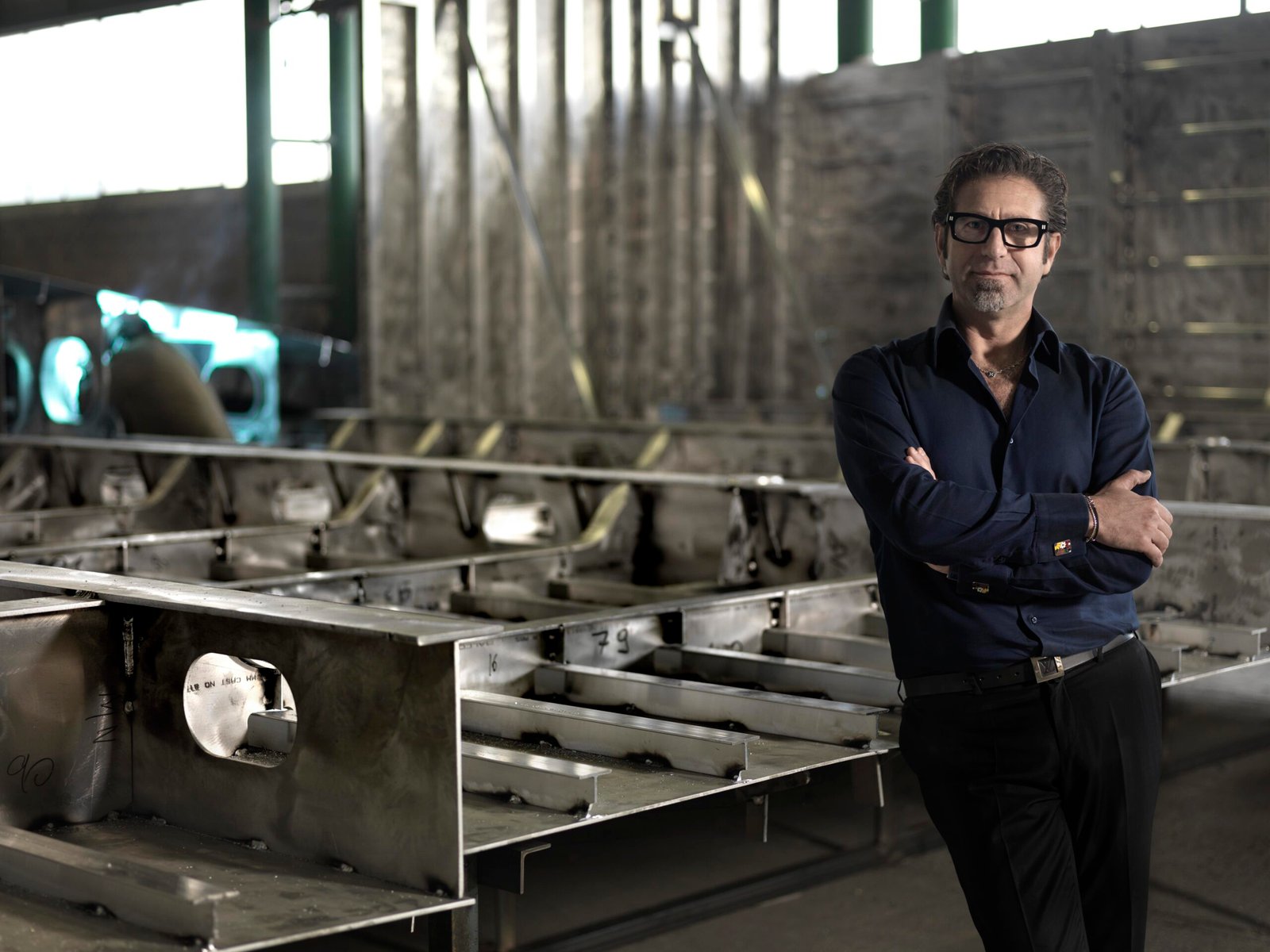
Steel works, technical fabrication, interior construction and finishing processes are developed through in-house capabilities and closely integrated partners. The acquisition of CELI 1920 further reinforces this approach, extending the Group’s expertise into high-level furniture manufacturing, bespoke joinery and interior craftsmanship grounded in a century-old industrial culture.
This production-driven model enables continuity between original construction logic and refit intervention. Materials, tolerances, interfaces and ageing behaviours are understood not theoretically, but through hands-on experience. As a result, decisions are taken with full awareness of how a yacht is built, how it operates and how it should evolve over time.
Refit, in this context, is not a sequence of isolated works. It is a controlled cycle, where technical coherence, execution quality and long-term durability are preserved by those who know the process from the inside.
FRAMEWORK
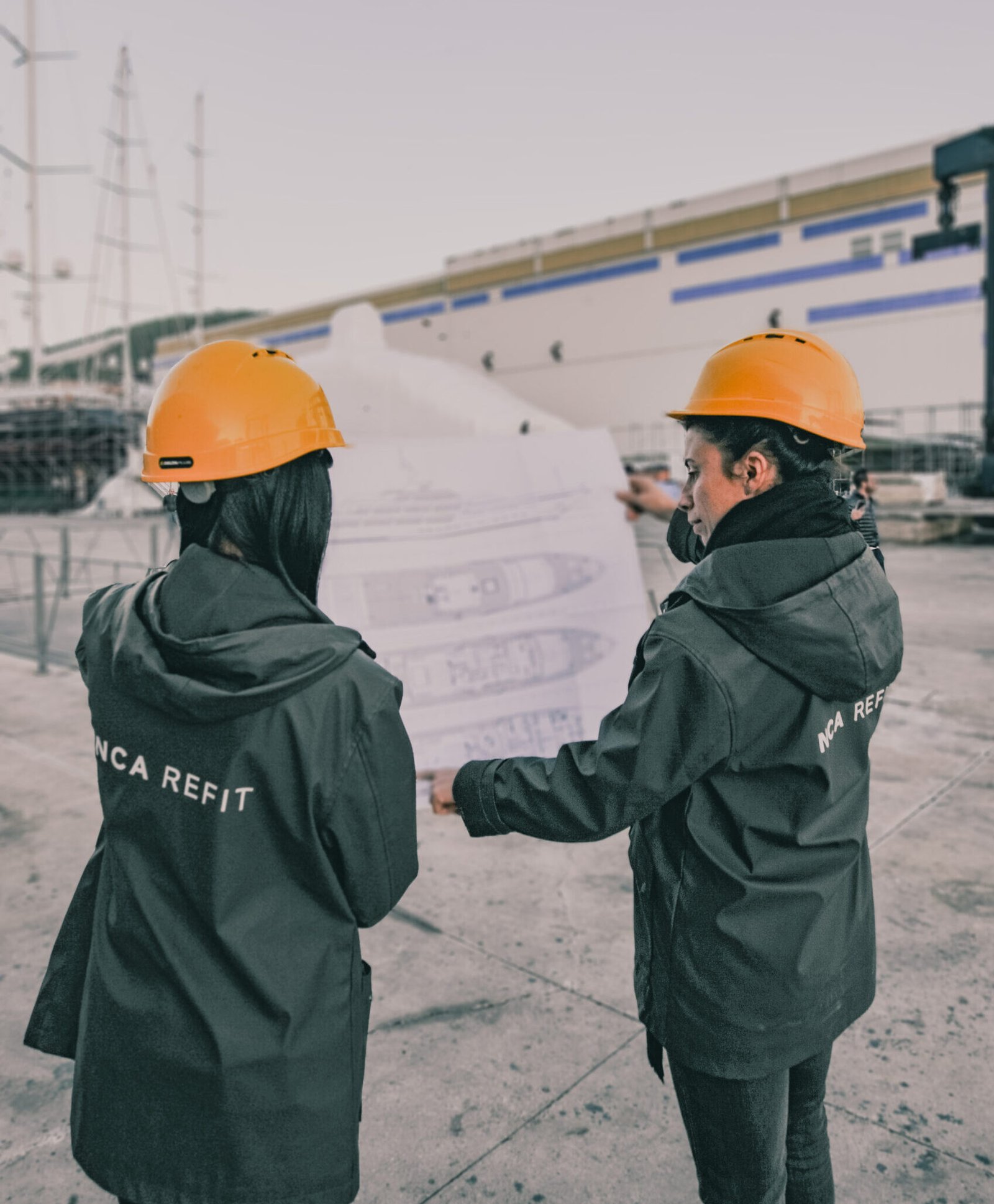
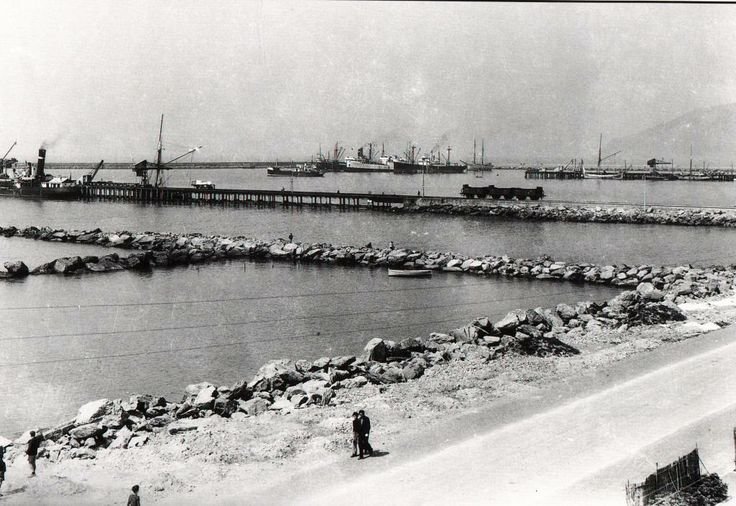
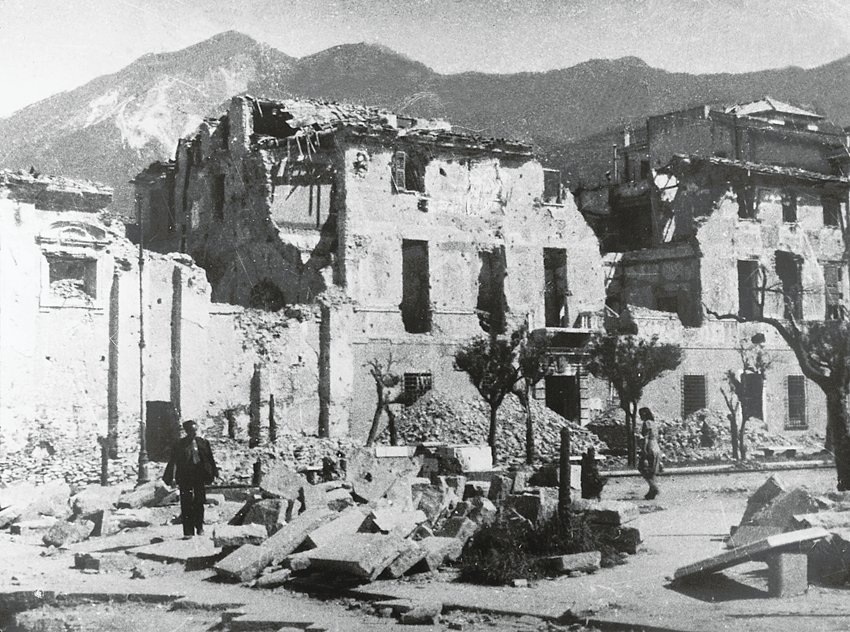
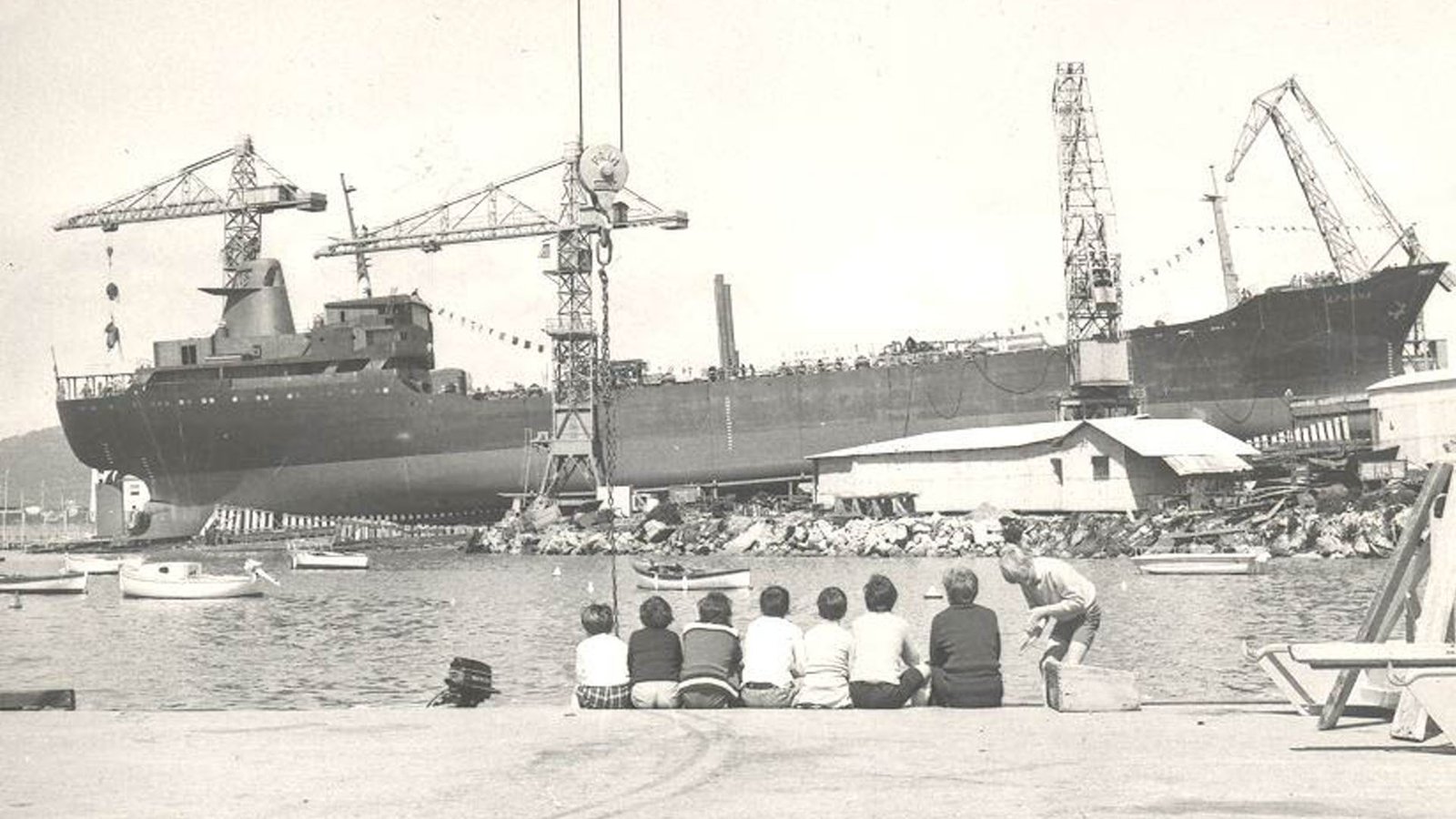
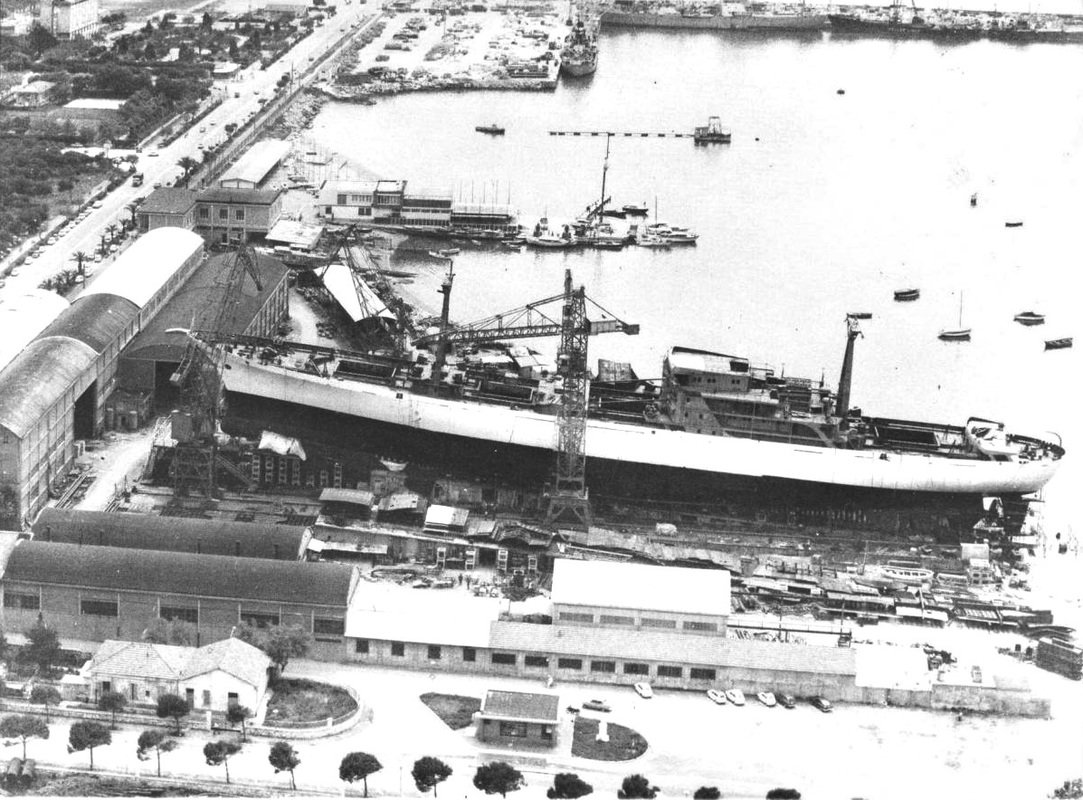
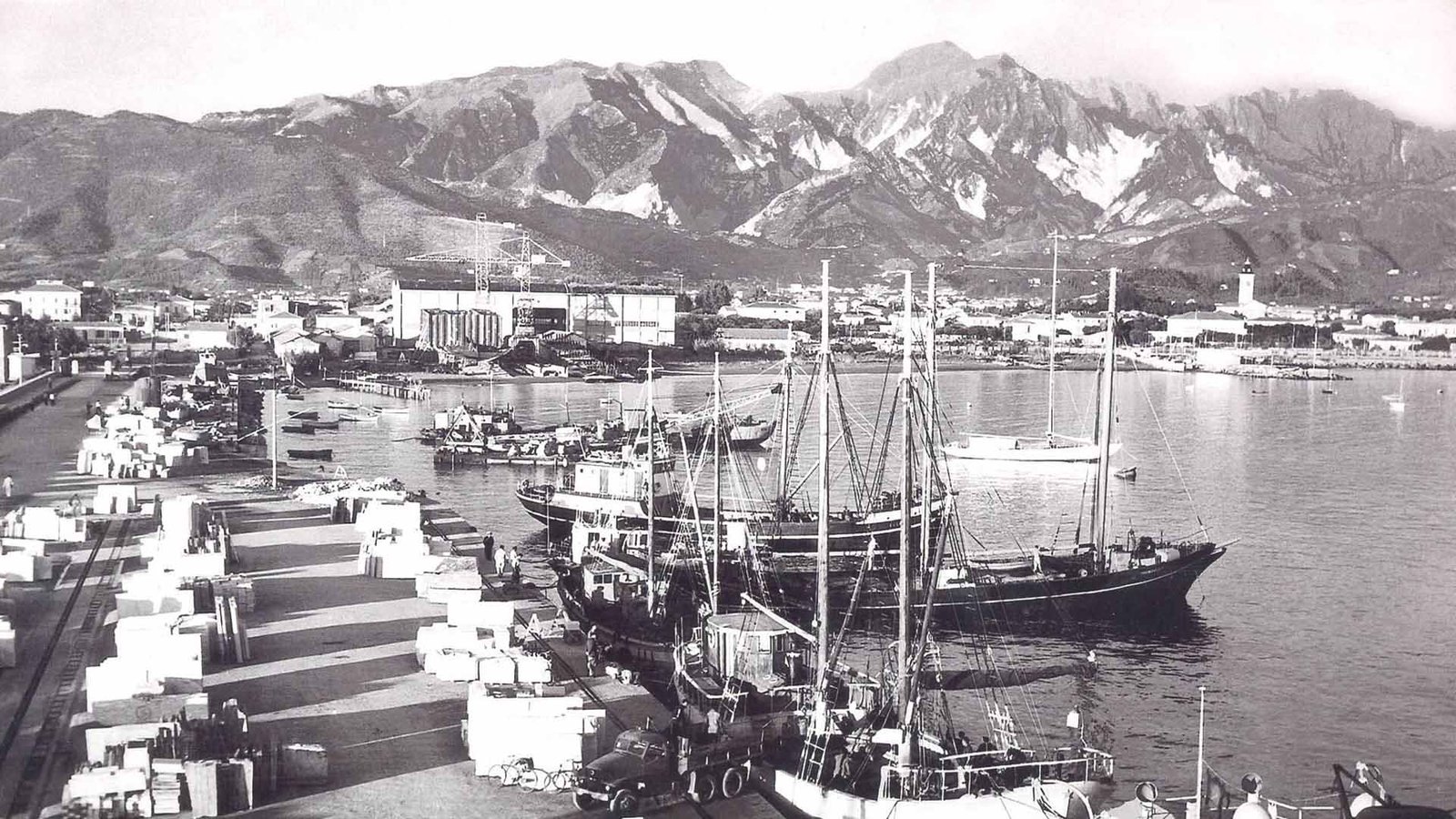
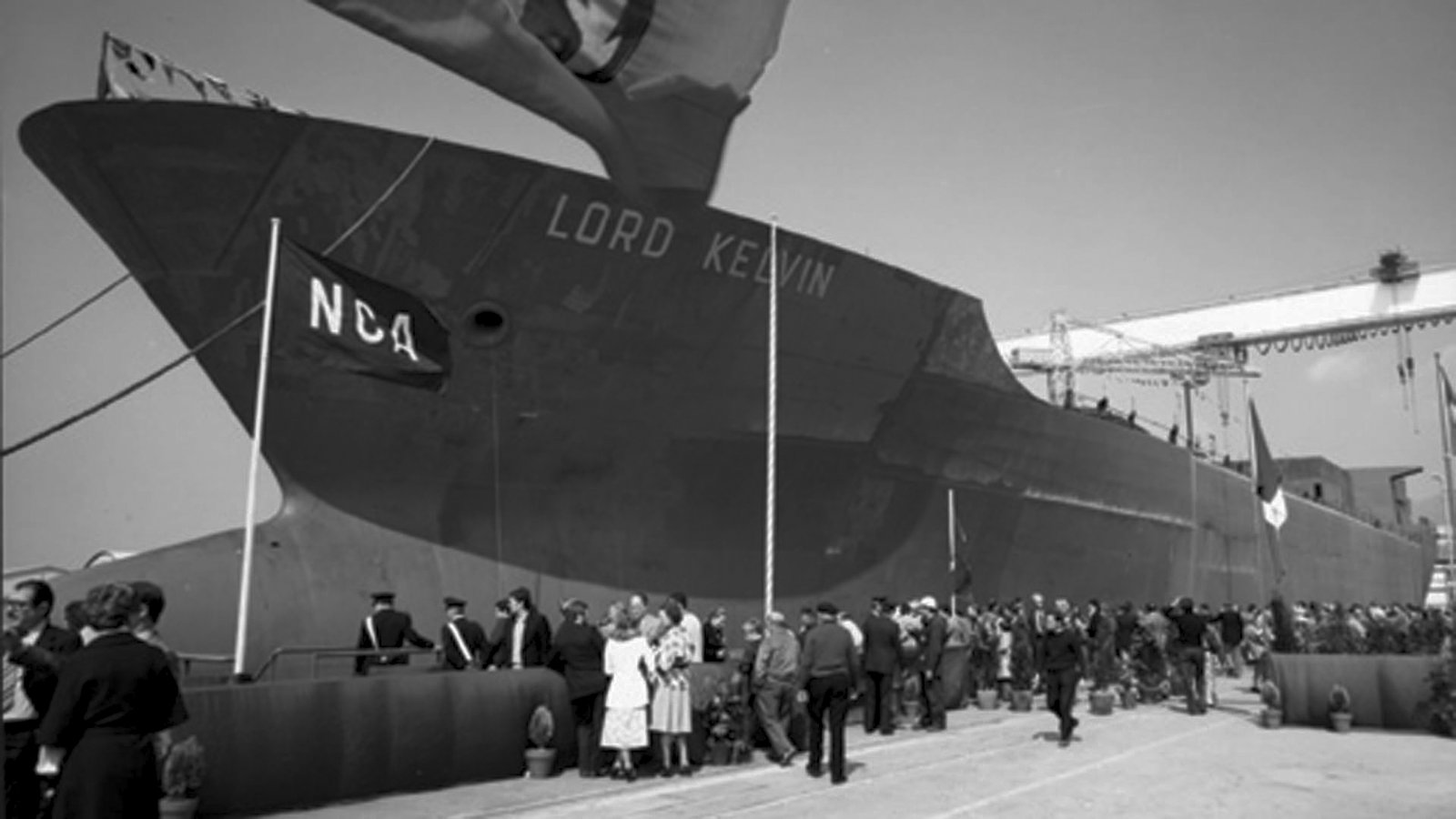
Since 1942, NCA Refit has been shaped by a single understanding: refit is a responsibility carried over time.
Our identity rests on continuity, on the ability to work on complex yachts across generations, respecting their original intent while preparing them for what lies ahead. Method, technical rigour and operational clarity define how we work.
They are not principles to be stated, but practices refined through experience. At NCA Refit, trust is built through consistency, discipline and respect for those who entrust us with their yacht.
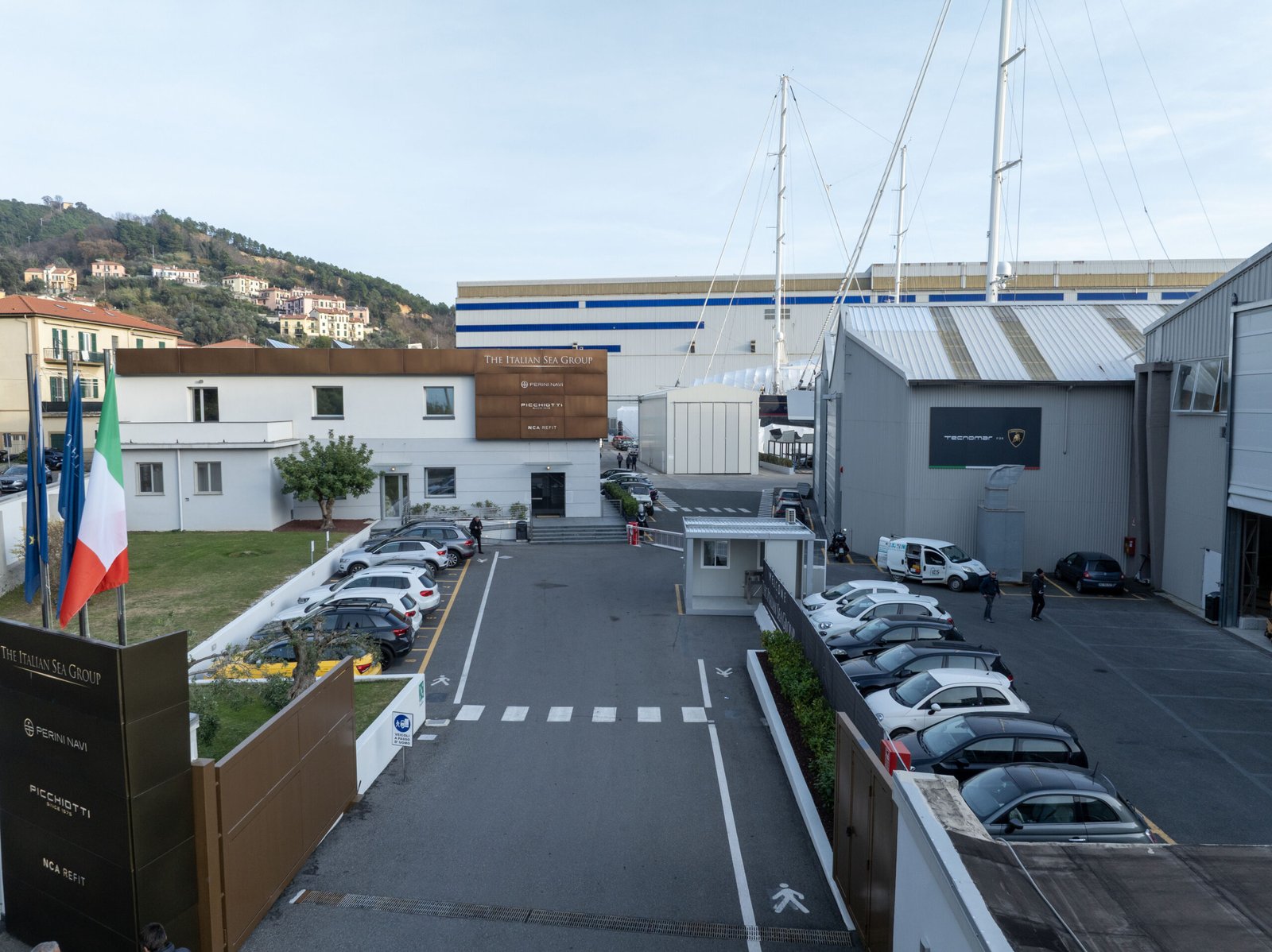
FOUNDATION
For over eight decades, NCA Refit has developed a way of working shaped by repetition, experience and responsibility.
Being part of The Italian Sea Group places NCA Refit within an industrial culture where engineering, craftsmanship and control coexist.
These foundations allow complex refits to be approached with calm, clarity and long-term vision.
Technical excellence is assumed.
HOSPITALITY
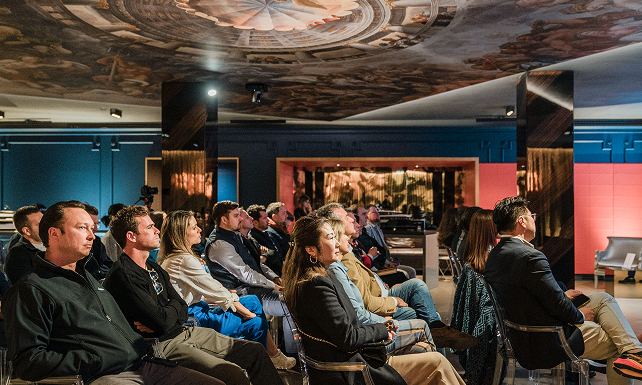
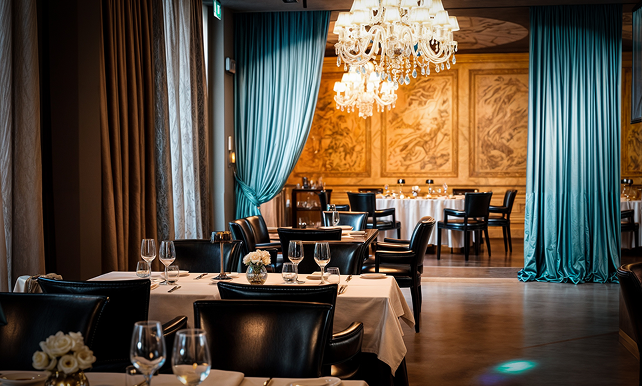
The Village: an extension of the onboard experience
The Village reflects NCA Refit’s understanding of refit as a lived condition: a phase that requires balance, clarity and operational support rather than detachment.
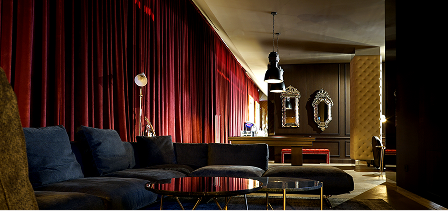
Designed as more than a temporary residence, The Village is conceived as an operational extension of life on board.
It is where captains and crew can maintain proximity to the yacht, follow the progress of the works, and preserve daily rhythm throughout extended refit periods.
Spaces and services are organised to support focus, coordination and continuity, allowing crews to remain engaged in the refit process while benefiting from carefully structured environments ashore.
Beyond the shipyard, this approach is part of a broader cultural framework shared across The Italian Sea Group, where Italian lifestyle, craft and quality of living are considered integral to the yachting experience.